

Spring Sports Are Back—Here’s How to Keep Your Student-Athlete Healthy All Season
There’s something about spring that signals it’s time to get moving again. Fields fill up, schedules get busy, and student-athletes jump back into practices, games, and tournaments almost overnight. For many middle and high school athletes, it’s one of the most active times of the year.
It’s also one of the most common times for injuries.
What makes spring sports challenging isn’t just the level of activity—it’s the sudden increase in it. Athletes often go from a relatively inconsistent winter routine to practicing or competing multiple days a week. Even for those who stayed active in the off-season, the movements, intensity, and repetition of a specific sport can place new demands on the body.
The Build-Up Behind Most Injuries
When people think about sports injuries, they often picture a single moment—a bad landing, a collision, or an awkward twist. While those situations certainly happen, many of the injuries we see don’t start that way. More often, they build gradually.
A pitcher starts to notice some tightness in their shoulder after a few outings. A soccer player feels a slight pull in their hamstring that seems to go away after warming up. A track athlete develops soreness in their shins that they assume is just part of training.
At first, it’s easy to brush these things off. The discomfort is manageable. It doesn’t stop them from playing. But over time, as practices and games continue, those small issues can turn into something more persistent—and harder to ignore.
By the time pain becomes constant, it’s usually been developing for weeks.

Why Spring Sports Put Athletes at Risk
Spring sports tend to combine a few factors that increase the likelihood of injury, especially for younger athletes whose bodies are still developing.
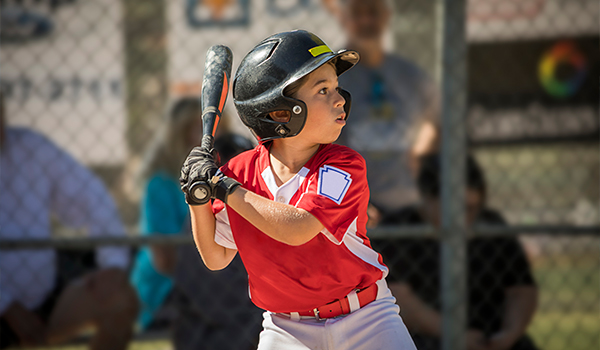
There’s the issue of repetition. Sports like baseball, softball, tennis, and track often involve the same movements over and over again—throwing, swinging, sprinting. Without proper conditioning and recovery, those repeated motions can strain muscles and joints.
There’s also the intensity of competition. Games start to matter more. Athletes push harder, run faster, and spend more time practicing. That increased effort is great for performance, but it also raises the physical demands on the body.
And then there’s the simple reality of busy schedules. School, practices, games, travel—it all adds up. Recovery time often becomes an afterthought, even though it’s one of the most important parts of staying healthy.
The Habits That Make Injuries More Likely
Most student-athletes aren’t trying to put themselves at risk. In fact, the habits that lead to injury are often rooted in good intentions—wanting to improve, contribute to the team, or not fall behind.
One of the most common issues is skipping or rushing through warm-ups. It’s easy to overlook, especially when time is limited or the focus is on getting into drills quickly. But going from rest to high-intensity movement without properly preparing the body can increase the risk of strains and pulls.
Another challenge is the tendency to play through pain. Many young athletes don’t want to sit out or let their team down, so they push through discomfort. The problem is that what starts as a minor issue can become something much more serious when it isn’t addressed early.
Recovery is another piece that often gets overlooked. Between games and practices, there isn’t always much downtime. Without time to rest, stretch, and reset, the body doesn’t have a chance to fully recover, which can lead to fatigue and increased vulnerability to injury.

What Parents & Coaches Should Pay Attention To
One of the tricky parts about working with younger athletes is that they don’t always communicate what they’re feeling. Sometimes they don’t want to make a big deal out of it. Other times, they assume what they’re experiencing is normal. That’s why observation matters.
Changes in movement can be one of the earliest signs that something isn’t right. Maybe your child is running a little differently, hesitating before certain movements, or not performing at the same level they usually do. You might notice them favoring one side, stretching more than usual, or mentioning soreness that doesn’t seem to go away. These small signals are often easy to miss, but they can provide important clues.
If something lingers for more than a few days or seems to be getting worse instead of better, it’s worth paying attention. Addressing issues early is almost always easier than dealing with a more developed injury later on.
Building a Healthier Routine
The goal isn’t to take the fun or competitiveness out of sports. It’s to help athletes stay on the field and perform at their best throughout the season - starting with consistency.
A proper warm-up doesn’t have to be long or complicated, but it should be intentional. Dynamic movements that prepare the body for the specific demands of the sport can make a noticeable difference in how athletes feel and perform.
Recovery should be treated as part of the routine, not something extra. That might mean making time for stretching after practices, ensuring there’s at least some downtime during the week, or simply recognizing when the body needs a break.
It’s also important to create an environment where athletes feel comfortable speaking up. When they understand that addressing a small issue early can actually help them stay in the game longer, they’re more likely to say something before it becomes a bigger problem.
Knowing When to Take the Next Step
Not every ache or soreness requires professional attention. Some level of discomfort is a normal part of being active. But there’s a difference between typical soreness and something that isn’t improving. If pain persists, worsens, or begins to affect performance, it may be time to look a little deeper. The same is true for injuries that seem to come back repeatedly or never fully resolve.
Physical therapy can play a role earlier in the process than many people expect. It’s not just about recovery after a significant injury—it’s also about identifying movement patterns, addressing imbalances, and helping athletes build a stronger foundation.
In many cases, small adjustments can make a big difference in both performance and injury prevention.
Keeping the Focus Where It Belongs
At the end of the day, spring sports are about more than just wins and losses. They’re about growth, teamwork, and the experience of being part of something bigger. Injuries can interrupt that experience, but many of them are preventable—or at least manageable when caught early.
By paying attention to how the body is responding, building better habits around preparation and recovery, and addressing issues before they escalate, athletes can give themselves the best chance to stay healthy throughout the season. And for parents, that means fewer setbacks, less time on the sidelines, and more opportunities to watch their kids do what they love.