

Managing Chronic Pain During Cold Months
When the weather turns cold, many people notice their chronic pain symptoms becoming more intense. Joint stiffness, muscle aches, and overall discomfort often seem to flare up as temperatures drop. While not everyone is affected the same way, it’s a well-documented and common experience among individuals with arthritis, old injuries, fibromyalgia, and other musculoskeletal conditions.
The good news? There are effective, evidence-based strategies for managing chronic pain during winter. With the right combination of movement, lifestyle adjustments, and support from physical therapy professionals, winter doesn’t have to derail your comfort or mobility.
Why Does Chronic Pain Get Worse in the Winter?
Researchers have studied this question for decades, and while there’s no single explanation, several theories help clarify what’s happening in the body when the temperature drops.
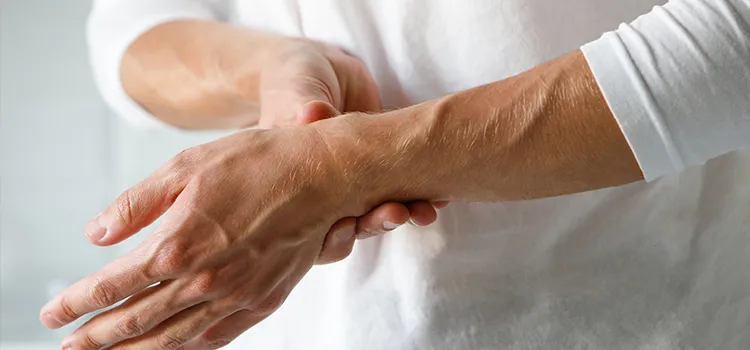
1. Increased Joint Pressure
Barometric pressure tends to fall during cold, damp weather. When this happens, tissues surrounding joints can expand slightly, leading to greater stiffness or discomfort—especially in people with arthritis or prior injuries.
2. Cold Muscles Are Stiff Muscles
Muscles naturally tighten to preserve heat in cold conditions. This can decrease range of motion and make normal activities feel more strenuous. For people with chronic pain, that added tension increases discomfort.
3. Reduced Activity Levels
Many people move less in winter due to weather limitations, shorter days, or holiday schedules. Less movement means more stiffness, weaker muscles, and—in some cases—higher pain levels.
4. Sensory Changes in Nerves
Some chronic conditions, especially nerve-related ones like neuropathy, are more sensitive to temperature fluctuations. Cold weather may heighten this sensitivity.
Understanding the why behind your symptoms is the first step. The next is learning how to manage them effectively.
Strategies for Managing Winter Pain
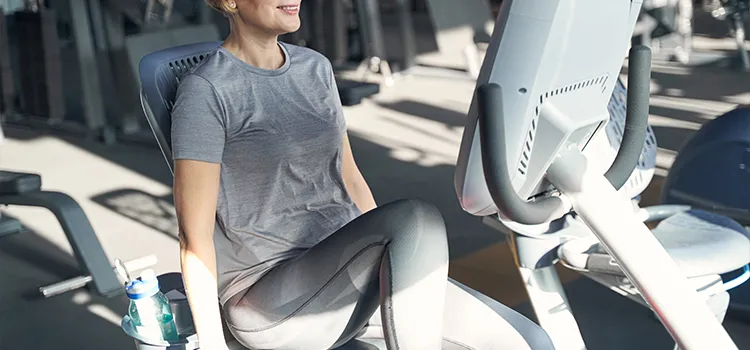
1. Stay Consistently Active
Movement is one of the most powerful tools for pain management—especially in the winter months. Regular activity helps:
- Increase blood flow
- Reduce inflammation
- Improve joint lubrication
- Build strength that supports painful areas
- Boost mood and lower stress (which impacts pain perception)
What Type of Movement Works Best?
- Low-Impact Cardio
Walking, stationary biking, swimming, or elliptical workouts help keep joints mobile without excessive strain. - Strength Training
Strengthening the muscles around painful joints provides stability. A physical therapy program can tailor exercises to your specific needs and limitations. - Flexibility & Mobility Work
Stretching, yoga, and guided range-of-motion exercises reduce stiffness and help maintain function.
If you’re not sure where to start, working with a physical therapy team ensures your program is both safe and effective.
2. Warm Up Properly Before Activity
Cold muscles are more prone to injury and pain. Even daily activities—like lifting groceries or walking the dog—can be uncomfortable without proper warm-up.
Try This Quick Routine Before Heading Out:
- 2–3 minutes of gentle marching in place
- Arm circles and shoulder rolls
- Light dynamic stretches like leg swings or torso twists
- Applying a warm pack to stiff areas for 5–10 minutes beforehand
These simple steps prepare your muscles and joints for movement, making you more comfortable and reducing flare-ups.
3. Use Heat Therapy to Ease Stiffness
Heat increases circulation, relaxes tight muscles, and decreases joint tension. It’s especially helpful first thing in the morning or after spending time outdoors.
Try These Options:
- Heating pads
- Warm showers or baths
- Microwaveable heat wraps
- Warm towels
Just 10–15 minutes of heat can offer noticeable relief. Many physical therapy clinics also use heat as part of their treatment sessions to prep the body before exercise.
4. Practice Mind-Body Techniques
Pain isn’t just a physical experience—it’s also connected to stress, mood, and mental health. Winter months can impact all three due to reduced sunlight and holiday-related pressure.
Evidence supports the use of mind-body interventions for chronic pain, including:
- Deep breathing exercises
- Mindfulness and meditation
- Progressive muscle relaxation
While these practices may not eliminate pain on their own, they significantly improve how the brain interprets pain signals.
5. Dress Warmly and Protect Sensitive Areas
Keeping your body at a comfortable temperature prevents muscles from tightening and reduces the shock of cold weather on sensitive joints.
Consider the following:
- Use thermal layers on knees, hips, hands, and back
- Wear gloves even for quick trips
- Choose insulated footwear with good traction
- Use scarves to keep neck and upper-back muscles warm
- Compression layers can also help with circulation and support.
6. Hydrate and Maintain Good Nutrition
Dehydration isn’t just a summer problem. In cold weather, people often drink less water without realizing it. Because hydration affects joint lubrication and blood flow, staying well-hydrated can influence pain levels.
A diet rich in anti-inflammatory foods supports pain management:
- Colorful vegetables
- Berries
- Lean proteins
- Omega-3-rich fish (salmon, sardines)
- Nuts and seeds
Limiting processed foods, sugars, and alcohol can also help reduce inflammation.
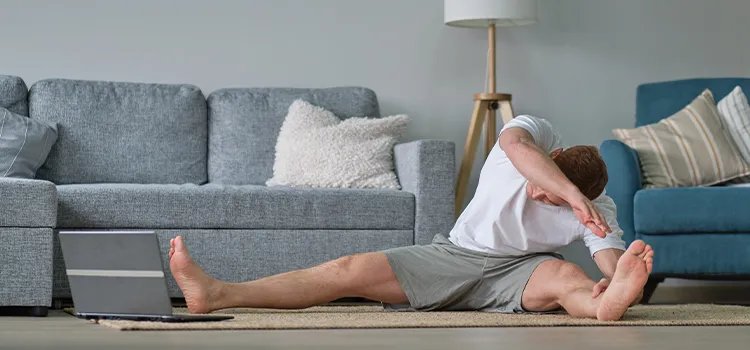
7. Build a Home Routine You Can Stick To
Consistency matters. Even a short daily routine can significantly improve pain levels and mobility.
A simple winter routine might include:
- 5 minutes of stretching in the morning
- A 20-minute walk or indoor workout
- Heat therapy before bed
- Mindfulness exercises for stress management
PRA can help you develop a home program tailored to your symptoms and schedule.
8. Know When to Seek Help
While some seasonal fluctuation in pain is normal, you should reach out to a professional if:
- Your pain becomes significantly worse
- You experience swelling, redness, or new joint instability
- Daily activities become more difficult
- You’re avoiding movement due to discomfort
- Home strategies don’t provide relief
Early intervention is key to staying functional, healthy, and active through the winter and beyond.
How Physical Therapy Helps
A physical therapist evaluates your movement patterns, strength, flexibility, and functional goals, then develops a customized plan that may include:
- Manual therapy
- Joint mobilization
- Targeted exercises
- Balance and gait training
- Modalities such as ultrasound or electrical stimulation
- Education on posture and movement habits
Chronic pain can make winter months feel especially challenging, but you don’t have to navigate it alone. With science-backed strategies, thoughtful lifestyle adjustments, and support from physical therapy, you can manage symptoms effectively and maintain your mobility—even when the temperatures drop.
Winter may bring colder weather, but it doesn’t have to bring more pain. The right guidance, consistent movement, and a personalized plan from a physical therapist can make all the difference in helping you move comfortably and confidently all season long.
Are you local to Radford, Virginia or surrounding counties in the New River Valley? If so, consider scheduling a consultation to speak with a Professional Rehab Associates professional. Our team would be happy to develop a customized plan that works best for you.